


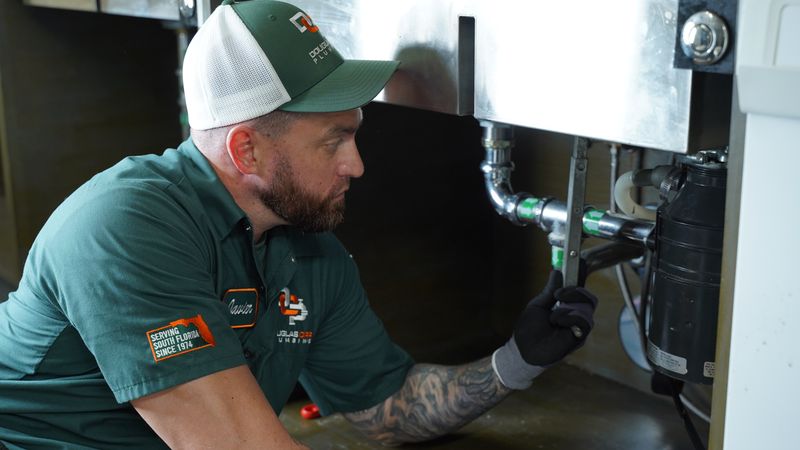
If you regularly deal with slow-moving water, unpleasant drain odors, or standing water in your sinks and showers, you may be wondering: why do my drains keep clogging in Miami? A drain that becomes blocked repeatedly is often dealing with more than a temporary obstruction. The problem may involve accumulated household waste, grease deposits, incorrect disposal habits, damaged pipes, or an issue further along the drainage system.
For Miami homeowners, understanding the source of recurring drain clogs is important for maintaining a dependable plumbing system. Clearing the visible blockage may restore water flow temporarily, but it does not necessarily remove the material restricting the pipe.
At ORR Plumbing, we understand that effective drain cleaning starts with identifying what is causing the obstruction. Our plumbing professionals assess drainage problems and help homeowners determine whether the issue requires cleaning, repairs, or a closer inspection of the plumbing system. Addressing the underlying cause can help prevent repeated disruptions and protect the condition of your home’s pipes.
1. Grease and Cooking Residue Building Up Inside Kitchen Pipes
Kitchen drains handle a variety of materials every day, including food residue, cooking oils, dishwashing products, and grease. Although small amounts may appear harmless, these substances can accumulate along the inside of drainpipes.
Grease is particularly problematic because it can flow down the sink while warm and become thicker as it cools. Over time, it can stick to pipe surfaces and trap other debris. This gradually reduces the space available for wastewater to pass through.
A recurring kitchen sink clog may also involve food particles, coffee grounds, rice, pasta, and other materials that collect around existing deposits. Garbage disposals do not eliminate every drainage risk, and certain food waste should still be placed in the trash rather than washed down the sink.
Miami-Dade County also advises residents to keep fats, oils, and grease out of sinks and garbage disposals because these substances can harden inside wastewater pipes and contribute to blockages.
Homeowners can reduce this risk by wiping greasy cookware before washing it, scraping food scraps into the trash, and avoiding the disposal of cooking oil through kitchen drains.
When a kitchen drain continues slowing down despite better disposal habits, professional drain cleaning may be necessary to remove accumulated material deeper inside the pipe.
2. Hair and Soap Residue Collecting in Bathroom Drains
Bathroom drains experience a different type of buildup from kitchen plumbing. Hair, soap residue, shampoo, conditioner, and personal care products can combine to create obstructions around drain openings and inside connected pipes.
Hair is particularly effective at trapping other materials. Individual strands can collect around the drain cover or internal fittings, gradually forming a mass that restricts water movement.
Soap residue can make the problem worse by sticking to pipe surfaces and allowing additional debris to accumulate. As the obstruction develops, water may take longer to drain from the bathtub, shower, or bathroom sink.
The problem is often more noticeable in households where several people use the same bathroom regularly.
Basic maintenance can help limit this type of blockage. Installing suitable hair-catching screens, removing visible debris, and avoiding excessive amounts of personal care products can reduce material entering the drainage system.
However, if water continues backing up after visible hair has been removed, the obstruction may be located further inside the plumbing. A professional assessment can help determine whether the drain requires deeper cleaning.
3. Flushing Items That Should Not Enter Household Drains
Toilets are designed to carry human waste and toilet paper through the drainage system. Problems develop when other household materials are flushed or disposed of through plumbing fixtures.
Items such as wet wipes, paper towels, sanitary products, cotton swabs, and cleaning materials do not break down in the same way as toilet paper. They can become trapped in pipe bends, collect around existing obstructions, and restrict wastewater movement.
Some products are labeled flushable, but that does not mean they are suitable for every plumbing or wastewater system.
When inappropriate materials enter the pipes, homeowners may notice repeated toilet blockages, slow flushing, or water rising unexpectedly in the bowl.
It is important to avoid treating repeated toilet clogs as isolated incidents. If the same fixture continues experiencing problems after a blockage has been cleared, a plumber should investigate the drainage route.
A few simple household practices can make a meaningful difference. Keep a waste bin near the toilet, dispose of hygiene products appropriately, and avoid flushing anything other than toilet paper and human waste.
4. Tree Roots and Problems Within Underground Drain Lines
Not every drainage problem starts inside the home. Sometimes, the cause is located in an underground sewer line connecting the property to the wider wastewater system.
Tree roots naturally seek moisture and may grow toward small openings or existing weaknesses in underground pipes. If roots enter through joints, cracks, or damaged sections, they can gradually expand and interfere with wastewater flow.
This can result in recurring blockages that return even after the affected drain has been cleared.
Homeowners may notice several drainage problems at once, including slow toilets, gurgling sounds, or water backing up through lower-level fixtures. These symptoms can indicate an issue beyond an individual sink or shower drain.
Older or deteriorating underground pipes may also develop cracks, misaligned connections, or other structural problems that allow debris to accumulate.
When these issues are suspected, repeated surface-level drain cleaning may not provide a lasting solution. A sewer camera inspection can help identify the location and condition of the obstruction, allowing the appropriate repair or cleaning approach to be considered.
At ORR Plumbing, we provide plumbing services that include drain cleaning, drain repair, and camera and sewer inspection. Identifying the condition of the line helps determine the work needed instead of relying on repeated attempts to clear the same blockage.
5. Mineral Deposits and Buildup Inside Older Pipes
The condition and material of a home’s plumbing pipes can influence how easily wastewater moves through the system.
Over time, certain pipe materials can develop internal corrosion, mineral deposits, or rough surfaces that collect debris. As the internal diameter becomes restricted, ordinary household waste may be more likely to accumulate.
This can make an existing drainage problem more noticeable, particularly when a property has older plumbing or a history of previous repairs.
Mineral accumulation and corrosion are not necessarily the cause of every recurring clog in Miami homes. Their relevance depends on the plumbing materials, water conditions, and overall condition of the system.
If a drain continues clogging despite appropriate cleaning, the pipe itself may need to be evaluated.
In some cases, cleaning can restore adequate flow. If the pipe has deteriorated or sustained structural damage, repair or replacement may need to be considered.
The important distinction is between removing material that has accumulated inside a pipe and addressing a pipe that is no longer in suitable condition.
6. Multiple Drains Clogging at the Same Time
A blockage affecting one fixture is different from a problem affecting several drains throughout the property.
For example, a slow kitchen sink may indicate a local obstruction in the kitchen drainage line. However, when toilets, showers, and sinks begin experiencing drainage problems together, the issue may involve a shared drain line or the main sewer connection.
The pattern of the problem provides useful information about where the obstruction may be located.
Homeowners should pay attention to whether:
- Several fixtures are draining slowly at the same time.
- Water backs up into another fixture when a toilet is flushed.
- Gurgling sounds occur in sinks or showers.
- Unpleasant sewage odors are coming from multiple drains.
- Drainage problems keep returning after individual fixtures have been cleared.
These symptoms do not establish a specific diagnosis on their own. However, they are important details to share with a plumber.
When multiple fixtures are affected, arranging an inspection is more appropriate than repeatedly using household drain products on individual openings.
7. Why Chemical Drain Cleaners May Not Solve Recurring Clogs
Chemical drain cleaners are often marketed as a quick way to remove household blockages. While some products may affect certain types of organic buildup, they do not address every cause of restricted drainage.
A chemical cleaner may fail to resolve an obstruction caused by compacted debris, tree roots, damaged pipes, or a blockage located further down the drainage line.
Repeated use of harsh products can also expose plumbing components to corrosive substances. Mixing different cleaning chemicals can create dangerous reactions and potentially harmful fumes.
At ORR Plumbing, we recommend identifying the source of the blockage rather than relying on repeated chemical treatments.
Professional drain cleaning uses an approach selected according to the type and location of the obstruction. Where appropriate, additional inspection may be necessary to determine whether the problem involves the pipe itself.
For homeowners experiencing repeated problems, a proper diagnosis is more useful than temporarily restoring water flow without understanding why the drain became blocked.
8. How Professional Drain Cleaning Helps Address the Actual Problem
Professional drain cleaning is intended to restore drainage by addressing the material restricting the pipe. The appropriate method depends on the obstruction, the plumbing configuration, and the condition of the drainage line.
The first step is understanding the symptoms and identifying which fixtures are affected. A plumber may then assess the accessible drain openings, connected pipework, and relevant sections of the drainage system.
Depending on the findings, the work may involve removing accumulated debris, clearing an obstruction, or inspecting the sewer line for structural problems.
Hydro jetting may also be considered when suitable for the pipe and the type of buildup involved. This method uses specialized water pressure equipment to remove deposits from pipe interiors. It is not appropriate for every drainage system, so the pipe’s condition should be evaluated before this method is selected.
Our Miami drain cleaning services are designed to help homeowners address clogged drains and identify problems affecting their plumbing systems.
The goal is to choose an appropriate solution based on the actual condition of the drainage system, rather than applying the same method to every blockage.
9. Preventing Recurring Drain Clogs Through Better Household Maintenance
Preventing drain problems requires consistent habits and attention to the condition of household plumbing. While no maintenance routine can guarantee that blockages will never occur, sensible practices can reduce avoidable buildup.
In the kitchen, keep grease, cooking oil, food scraps, and coffee grounds out of the sink. Use a suitable sink strainer and clean it regularly to prevent debris from entering the pipes.
In bathrooms, remove hair from drain screens, avoid flushing hygiene products, and pay attention to changes in drainage speed. These small steps can help prevent common obstructions from developing.
Homeowners should also avoid forcing inappropriate materials through garbage disposals or toilets. A disposal unit is not designed to make every type of food waste safe for household plumbing.
For properties with older plumbing, recurring blockages, or a history of drainage problems, periodic professional evaluation may be worthwhile.
Consistent attention to household drainage habits can help reduce the amount of material entering the plumbing system and make it easier to identify developing problems before they become more disruptive.
10. When Should You Contact a Professional Plumber?
Some minor obstructions can be addressed through routine cleaning of accessible drain covers and strainers. However, recurring problems deserve professional attention, particularly when the blockage returns shortly after being cleared.
A plumber should assess the system when several fixtures are affected, wastewater backs up, sewage odors develop, or slow drainage becomes a regular issue.
Persistent problems may indicate a deeper obstruction, deteriorating pipes, or an issue involving the main sewer line.
The same principle applies to properties with multiple plumbing fixtures or more complex drainage arrangements. Identifying the source early can help prevent repeated service interruptions and reduce the likelihood of more extensive plumbing problems.
At ORR Plumbing, our experience extends across residential and commercial plumbing. Our services include drain cleaning, sewer camera inspection, drain repair, and hydro jetting, allowing us to consider different solutions according to the plumbing problem.
Our team has served South Florida since 1974, with trained technicians and a commitment to quality workmanship. We focus on understanding the issue and helping customers make informed decisions about the work their plumbing systems require.
Get Help with Recurring Drain Clogs from ORR Plumbing
Repeated drainage problems should not become a normal part of maintaining your home. Whether the issue involves kitchen grease, bathroom debris, an obstruction in the drain line, or a problem with underground sewer piping, identifying the source is essential to choosing the right solution.
At ORR Plumbing, we provide residential plumbing and drain cleaning services throughout South Florida. Our experienced team works to identify drainage problems, evaluate the condition of plumbing systems, and recommend appropriate solutions based on the situation.
With more than 50 years of service in South Florida, we remain committed to quality workmanship, professional service, and dependable plumbing support.
If you are dealing with recurring drain clogs or slow drainage, contact our team to discuss the problem and arrange professional assistance.
Contact ORR Plumbing to request plumbing service.
Call 305-240-6731 for assistance with your residential plumbing and drain cleaning needs.
Frequently Asked Questions
1. Why do my drains keep clogging even after cleaning?
A drain may continue clogging because the original obstruction was only partially removed. Grease, hair, soap residue, accumulated debris, damaged pipes, or sewer line problems may continue restricting water flow. A professional inspection can help identify the underlying cause.
2. What are the most common clogged drain causes in Miami homes?
Common causes include cooking grease, food particles, hair, soap residue, inappropriate materials flushed down toilets, and debris accumulating inside drainage pipes. Underground sewer line problems and deteriorating plumbing can also contribute to recurring blockages.
3. How often should residential drains be professionally cleaned?
There is no universal schedule for every property. The need for professional drain cleaning depends on household usage, pipe condition, previous blockages, and the type of drainage system. Homes experiencing repeated clogs may benefit from an inspection to determine an appropriate maintenance approach.
4. Is it safe to use chemical drain cleaners for a kitchen sink clog?
Chemical cleaners may not resolve deeper or structural drainage problems. Some products contain harsh ingredients that can damage plumbing components or create hazardous reactions when mixed. Professional assessment is a safer option when a blockage keeps returning.
5. When should I call a plumber for recurring drain clogs?
Contact a plumber when blockages repeatedly return, multiple fixtures drain slowly, wastewater backs up, or sewage odors develop. These problems may indicate an obstruction beyond the individual fixture and require professional investigation.